
 630-409-8184
Dividing a Tax Refund Following a Divorce
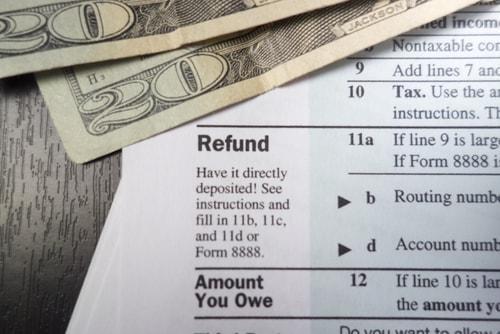 Tax season is full of stressful paperwork and deadlines. Add a recent divorce to the picture and things can get genuinely complicated. One of the questions divorcing and recently divorced couples run into more often than you might expect is what happens to a tax refund. Who gets it? Does it get split? What if the refund was based on income earned during the marriage, but the check does not come in until after the divorce is final?
There can be a lot of money at stake with tax refunds, and these are fair and important questions. As with most divorce issues, the answers depend on timing, how you filed, and what Illinois law says about marital property. If you are going through a divorce in 2026 or have recently finalized your divorce and a tax refund is now in question, our DeKalb County divorce attorney can help you understand what to expect.
Is a Tax Refund Considered Marital Property in Illinois?
In Illinois, marital property is generally defined as any asset acquired by either spouse during the marriage, regardless of whose name is on it. This definition comes from the Illinois Marriage and Dissolution of Marriage Act, 750 ILCS 5/503, which sets how property gets divided in a divorce.
Under this framework, a tax refund that results from income earned during the marriage is typically considered marital property. It doesn’t matter if the refund check arrives after the divorce is finalized, but rather when the underlying income was earned. If both spouses were working and filing jointly during the tax year in question, the refund generated from that year is almost always treated as a marital asset subject to division.
How Does Filing Status Affect Who Gets the Refund?
Your tax filing status in the year of your divorce has a significant impact on how the refund question plays out. There are a few different scenarios that commonly come up.
If You Filed Jointly for the Tax Year in Question
Couples who file a joint return are both entitled to any refund that comes from it. The IRS will issue the refund in both names if the return was filed jointly. From there, how it gets divided is either a matter of agreement between the spouses or a decision left to the court if the parties cannot agree. Courts in Illinois can look at each spouse's contribution to the withholdings and income that generated the refund and divide it accordingly, though they have discretion to weigh other equitable factors as well. Generally, though, judges prefer to see couples negotiate this issue for themselves.
If You Filed Separately in the Year of the Divorce
Some couples file separate returns in the year of their divorce, either because the divorce was finalized before December 31 of that year or because they chose to file separately while the divorce was still pending. In this case, each spouse's refund is typically based solely on their own return and income. The division question becomes simpler, though there can still be disagreements over deductions, dependent claims, and other shared tax items that affect both returns.
What If One Spouse Intercepts or Spends a Tax Refund After Divorce?
If a joint refund was deposited into an account that only one spouse controls, and that spouse spent it before any division could take place, the other spouse has legal options. Illinois courts can account for that refund as a marital asset and adjust the overall property division to compensate the other spouse accordingly.
Who Claims Your Kids as Dependents After You Get Divorced?
Federal tax law generally allows the custodial parent — the one the child lives with for the greater part of the year — to claim the child as a dependent. However, divorcing parents can agree to alternate who claims the child each year, or the non-custodial parent can be given the right to claim the child if certain conditions are met.
This matters for refund purposes because child-related tax benefits like the Child Tax Credit and the Earned Income Tax Credit can make a refund much larger. If your divorce agreement or parenting plan does not say who claims the children for tax purposes, you could end up in a dispute every single year at tax time. Getting this sorted out in your divorce decree is one of the best things you can do to avoid ongoing conflict.
Can a Divorce Agreement Address Tax Refunds Directly?
A well-drafted divorce settlement agreement can and should say exactly how any pending or anticipated tax refunds will be divided. It should also say who gets to claim dependents in future years and how the parties will handle any tax liability that results from a joint return.
Addressing these issues during the divorce process is far easier than trying to resolve them after the fact. Once a final judgment has been entered and both parties have moved on, tracking down a refund that was improperly kept or fighting over dependent claims can require going back to court, which costs time and money that most people would rather not spend.
The average federal tax refund in recent years has been well over $3,000. That is a meaningful sum of money, and in the context of a divorce where every asset is being carefully accounted for, it deserves the same attention as any other financial matter.
Call a DuPage County Family Law Attorney Today
Tax refunds may not be the first thing that comes to mind when you think about divorce, but they can become a real source of conflict if they are not handled ahead of time. Our DeKalb County, IL divorce lawyers at The Law Office of Matthew M. Williams, P.C. have over 25 years of experience helping clients get through divorce, including questions involving tax refunds and dependent claims.
We offer free consultations so you can get clear answers about your situation without any upfront cost. Call The Law Office of Matthew M. Williams, P.C. at 630-409-8184 to schedule yours today.






Ready to Get Started?
To schedule a free consultation with Aurora divorce attorney, Matthew M. Williams, call 630-409-8184 or fill out the form below.



Aurora
1444 North Farnsworth Ave., #307
Aurora, IL 60505
P 630-409-8184
MAP + DIRECTIONS
BY APPOINTMENT ONLY
Yorkville
520 E Kendall Drive, Suite C-1
Yorkville, IL 60560
P 630-409-8184
MAP + DIRECTIONS


